
Introduction
Dealing with hard water stains on sinks and faucets can be really annoying. Hard Water Stain Removal isn’t always easy, especially when home remedies don’t work. Learn simple, practical ways to remove mineral stains and bring back the clean shine
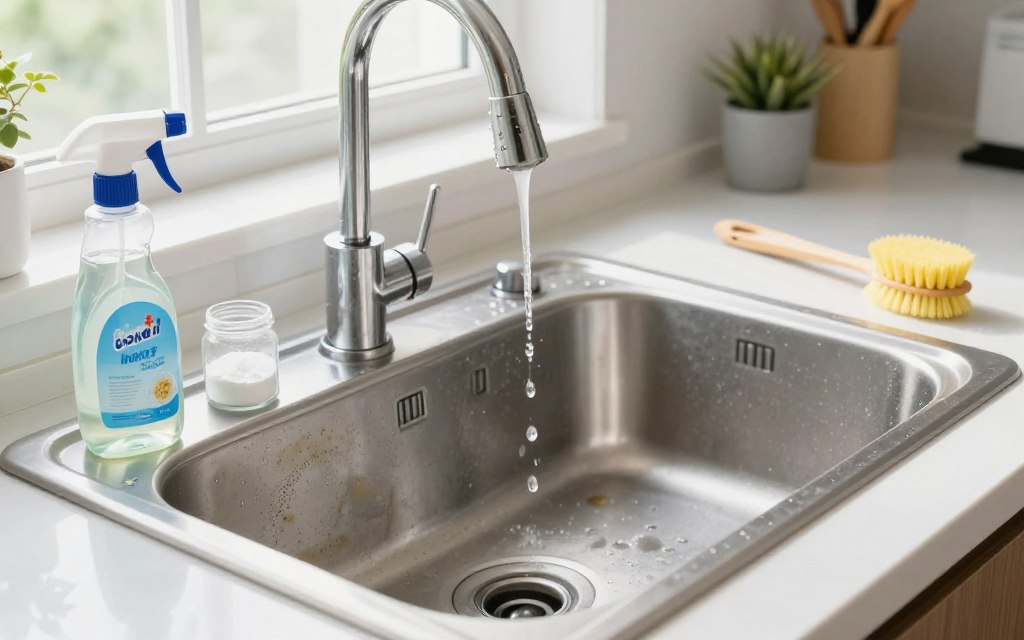
There are ways to get rid of these stains and keep your kitchen or bathroom looking great. In this article, I’ll share some easy hacks and methods. They’ll help you remove stains from your sinks and faucets, making them shine like new.
Key Takeaways
- Simple methods for removing mineral deposits
- Effective cleaning products for sinks and faucets
- Practical tips for maintaining a stain-free kitchen and bathroom
- DIY solutions for common stain removal challenges
- Expert advice on preventing future stains
👉 Also Read: Eco-Friendly Kitchen Deep Cleaning Schedule
Understanding Hard Water Stains
It’s important to know why hard water stains happen. They are mainly caused by minerals like calcium and magnesium in the water.
What Causes Hard Water Stains
Hard water has lots of dissolved minerals. When it dries, these minerals leave behind stains. The main culprits are calcium and magnesium.
These minerals can stick to surfaces like sinks, faucets, and glassware. This leads to hard water stains. How often and how bad these stains are depends on the water’s mineral levels and how much it touches the surface.
Identifying Hard Water Deposits on Different Surfaces
Finding hard water deposits can be tricky because they look like other stains. But, they have some special signs. On metal, they show up as white or off-white spots. On glass, they look cloudy or hazy.
| Surface | Appearance of Hard Water Stains |
|---|---|
| Metal | White or off-white spots |
| Glass | Cloudy or hazy patches |
| Ceramic/Porcelain | White or lime-colored deposits |
Essential Hard Water Stain Removal Methods
There are many ways to remove hard water stains. Each method works best on different surfaces and stains. Choosing the right method for sinks and faucets is key.
Vinegar Solutions: Soak Times and Applications
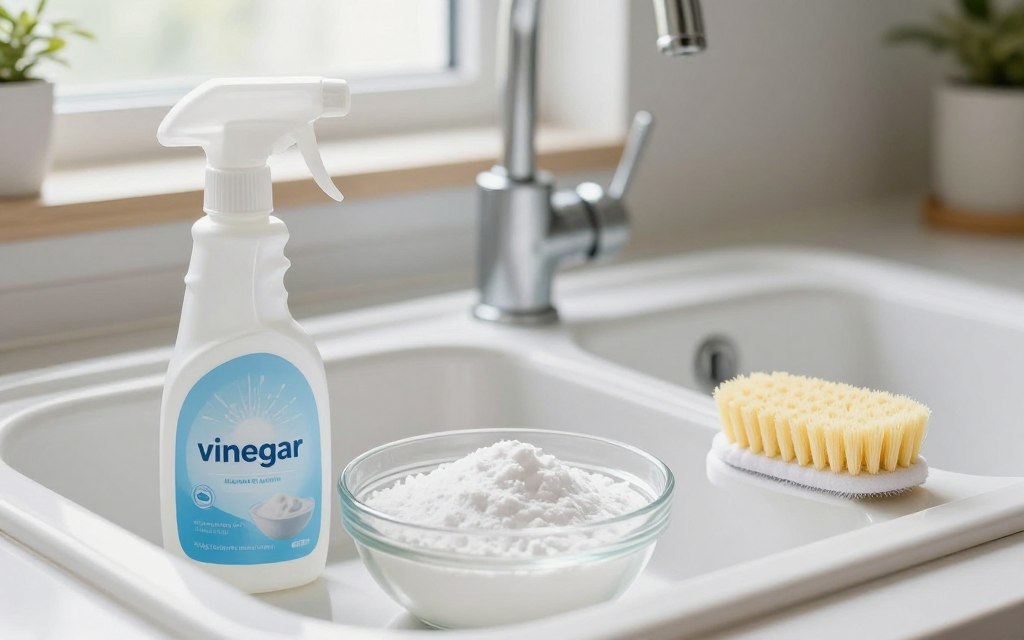
Vinegar is a great choice for removing hard water stains. Mix vinegar with water in a spray bottle. Or, soak a cloth in it and wrap it around the stain.
The acid in vinegar breaks down mineral deposits. For tough stains, let it sit for 30 minutes to an hour. Then, scrub and rinse.
If vinegar doesn’t work, the stains might be very stubborn. Or, the vinegar might not be acidic enough. Try a stronger vinegar solution or another method.
Lemon Juice and Citric Acid Techniques
Lemon juice and citric acid are also good for removing stains. The citric acid in lemons dissolves mineral deposits. Rub a lemon slice on the stain or apply lemon juice directly.
Let it sit for a few minutes before rinsing. For severe stains, mix citric acid powder with water to make a paste. Apply it to the stain.
Baking Soda and Dawn Dish Soap Combinations
A mix of baking soda and Dawn dish soap works well too. Make a paste with baking soda and a bit of Dawn. Apply it to the stain and scrub gently before rinsing.
This method is great for tough stains on sinks and faucets.
Using these methods can help remove hard water stains. Whether you choose vinegar, lemon juice, or baking soda, pick the best method for your stain.
Advanced Hard Water Stain Removal for Stubborn Deposits
When basic cleaning doesn’t work, it’s time for advanced methods. Stubborn deposits need a strong approach to remove.
Step-by-Step Removal Process for Severe Buildup
For tough hard water buildup, apply a lot of cleaning solution to the stain. Let it sit for 30 minutes to an hour. This lets the formula get deep into the deposit.
Then, use a soft scrubber or cloth to gently rub the area. For really hard stains, you might need to do this a few times. Keep going until the stain is gone.
Commercial Products: CLR, Lime-Away, and Other Options
Products like CLR and Lime-Away are made for hard stains. They have strong acids that break down mineral deposits. This makes removing stains easier.
When using these products, always follow the instructions. Wear gloves and make sure the area is well-ventilated.
What NOT to Use on Different Surfaces
Not all cleaners are good for every surface. For example, vinegar can harm marble or unsealed stone.
| Surface | Recommended Cleaner | Avoid |
|---|---|---|
| Stainless Steel | Mild soap and water or CLR | Abrasive cleaners |
| Marble or Unsealed Natural Stone | pH-neutral cleaners | Acidic cleaners like vinegar |
| Chrome or Brass | Mild soap and water or specialized metal cleaners | Abrasive or acidic cleaners |
Knowing what not to use on different surfaces is key. It helps avoid damaging your fixtures and surfaces.
Surface-Specific Hard Water Stain Removal Techniques
Different surfaces need different ways to get rid of hard water stains. The methods change a lot, depending on the surface. This includes stainless steel, porcelain, glass, and metal fixtures.
Stainless Steel Sinks and Metal Faucets
A mix of vinegar and water works well for stainless steel and metal. Soak a cloth in it, wrap it on the stain, and wait an hour. Then, wipe it clean.
For hard stains, try a paste of baking soda and water. It can remove stains without harming the surface.
Porcelain, Ceramic, and Glass Surfaces
Use a mix of water and white vinegar for porcelain, ceramic, and glass. For tough stains, add a bit of dish soap. But, be careful not to use anything too rough.
Chrome, Brass, and Specialty Fixtures
Chrome, brass, and special fixtures need gentle care. Use a soft cloth with vinegar or a special cleaner. Stay away from harsh chemicals and rough scrubbers.
Removing Water Spots from Shower Doors and Mirrors
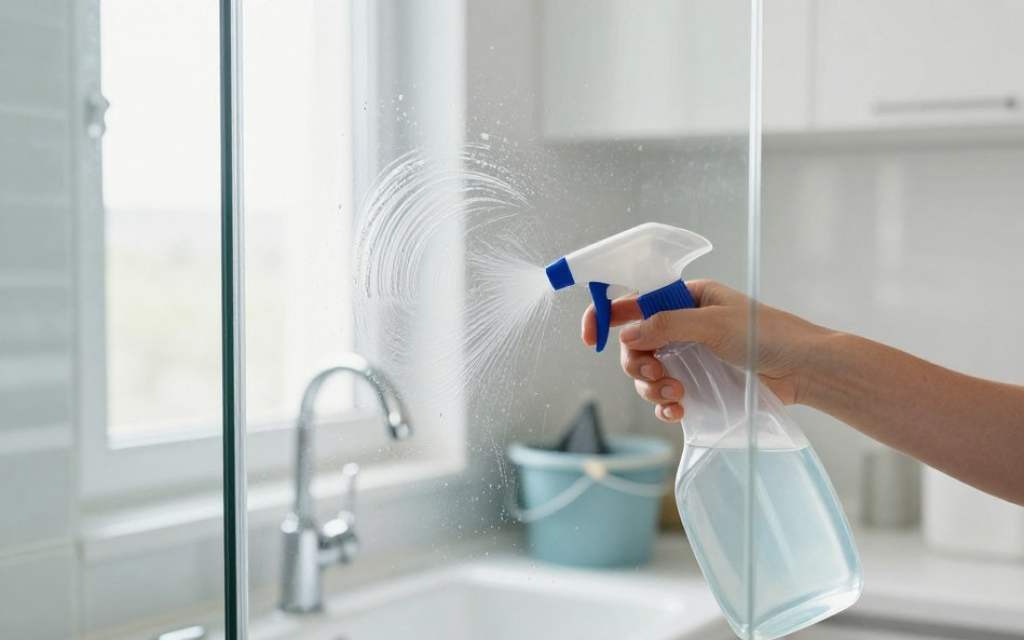
To clean shower doors and mirrors, mix vinegar and water in a spray bottle. Spray, wait a few minutes, and then wipe with a soft cloth or paper towel. For hard spots, try CLR or Lime-Away.
Using these specific methods can help remove hard water stains from many surfaces. This will make your home look new and shiny again.
👉 Also Read: Smart Cleaning for Modern Homes: Make Your Home Shine
Effective Hard Water Stain Removal: A Summary
Removing hard water stains from sinks and faucets can be tough. But, with the right methods and patience, it’s doable. Soaking surfaces in vinegar is a top way to get rid of hard water buildup.
The soaking time can change, but usually, 30 minutes to a few hours is enough. This lets vinegar break down mineral deposits.
For harder stains, mixing vinegar with lemon juice or baking soda helps more. When dealing with limescale, CLR or Lime-Away works fast. Always pick the right cleaner for your surface to avoid damage.
Using these methods and knowing the right techniques for each surface helps a lot. Regular cleaning keeps your sinks and faucets looking great. It also stops future buildup.
FAQ
What is the best hard water stain remover?
The best remover depends on the stain and surface. Vinegar works well on many surfaces. For tough stains, CLR or Lime-Away might be better.
How long should I soak in vinegar to remove hard water buildup?
Soaking times vary. Vinegar can work in 30 minutes to several hours or overnight. For severe stains, you might need to soak more or use a stronger solution.
What should not be cleaned with vinegar?
Don’t use vinegar on marble, limestone, aluminum, or unsealed wood. It can damage these surfaces.
How long should you let vinegar sit on a stain?
Soak times differ based on the stain. Start with 30 minutes to a few hours. For tough stains, try soaking overnight.
What happens if you mix vinegar and Dawn dish soap?
Mixing vinegar and Dawn creates a strong cleaner. Vinegar breaks down deposits, while Dawn helps remove grime.
Which is stronger, CLR or vinegar?
CLR is stronger for removing mineral deposits. But vinegar is good for many stains and is safer.
What dissolves limescale quickly?
CLR, Lime-Away, and other acid-based products dissolve limescale fast. Vinegar works too, but takes longer.
How do I remove hard water spots with vinegar?
Soak a cloth in vinegar, wrap it on the spot, and wait. Then, scrub and rinse with warm water.
Is there a commercial hard water stain remover that is effective?
Yes, CLR, Lime-Away, and other cleaners are good for hard water stains. They work well on tough buildup.
Why isn’t vinegar removing hard water stains?
Vinegar might not work on very tough stains or on some surfaces. For these, CLR or another method might be needed.